Survival games often saddle players with repetitive tasks that feel like mindless chores—smashing boulders for ore and constantly managing hydration. But Funcom's upcoming survival MMO Dune: Awakening aims to transform these familiar routines into engaging activities. During a recent gameplay presentation in San Francisco, game director Joel Bylos showcased how the game's mining and water systems offer fresh, thoughtful twists on the genre's staples. Instead of dreading these tasks, players might actually look forward to them.
Mining with the Cutter Ray ⛏️
Forget primitive pickaxes. On the desert planet Arrakis, players use a tool called a cutter ray—a handyman's version of the iconic lasgun. The cutter ray features an analysis mode that reveals weak points on boulders or structural weaknesses in wreckage. These weak points appear as lines or patterns drawn across the object. By tracing along these lines with the beam, players can mine faster and extract more resources. It's a minigame reminiscent of striking glinting spots on rocks in Rust, but with a sci-fi twist.
As rocks increase in tier, the complexity of the patterns grows, requiring players to craft better cutter rays to handle them. This progression system ensures that mining remains challenging and rewarding rather than becoming a tedious grind. The tactile satisfaction of following a glowing line with a laser beam adds a layer of skill and engagement that traditional mining lacks.
Water: The Ultimate Survival Pressure 💧
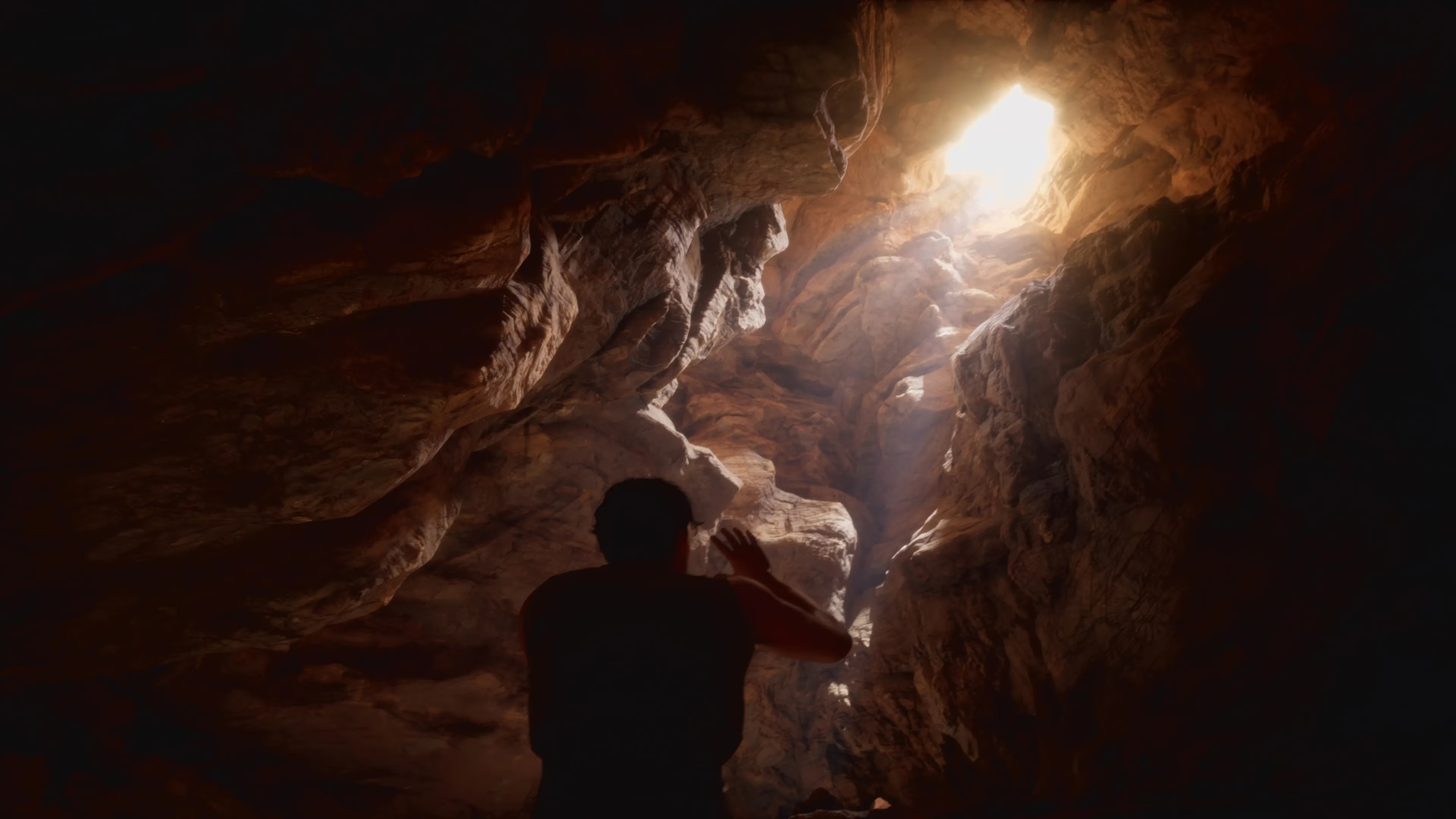
On Arrakis, the sun is the deadliest enemy. Prolonged exposure to direct sunlight rapidly drains the player's water meter. Early in the game, before acquiring proper protection, the only safe way to travel during the day is by hopping from shadow to shadow. As the sun sets, longer shadows provide more cover, making exploration easier. This mechanic echoes the daytime shadow-navigation of V Rising, where players must carefully avoid sunlight.
Initially, players can scavenge certain plants for hydration, but this method has limits. According to Bylos, consuming plant fiber only replenishes about a third of the water meter before the character starts vomiting. Clearly, a more sustainable solution is needed.
The Stillsuit: Recycling the Gross Stuff 🔄
Eventually, players acquire a stillsuit—a iconic piece of Dune technology that captures the wearer's moisture, including sweat, urine, and even fecal matter, recycling it into drinkable water. Once equipped, a second water meter appears beside the original one. As the character's water meter decreases, the stillsuit's meter fills, capturing and recycling wastewater. It's a grotesque but ingenious system that adds a layer of strategic resource management. Players must balance their own hydration with the stillsuit's capacity, creating a constant, engaging loop.
Blood: A Grim but Necessary Resource 🩸
Water isn't just found in plants and recycled waste—it's also inside enemies. Early on, players may resort to using a rusty needle and crude blood bag to extract a fallen foe's blood and drink it. However, Bylos warns that while this provides water, it also reduces maximum health because "drinking blood is not really good for you." It's a desperate measure for desperate times.
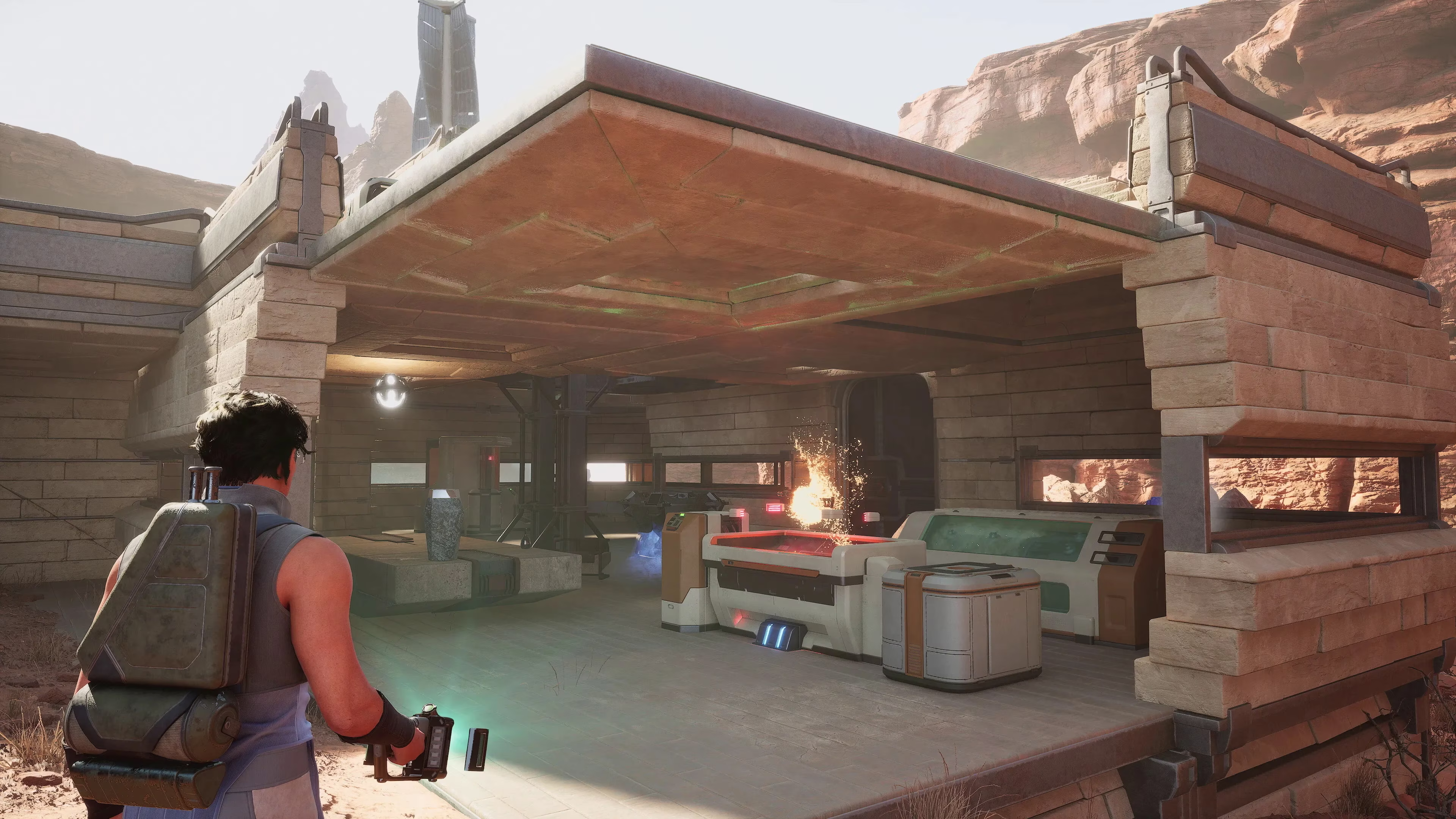
Fortunately, a less horrible method exists. Once a base is established, players can craft a blood purifier. By depositing blood into this machine, it slowly filters the blood into clean water over time, providing a steady supply for drinking and eventually for industrial crafting. Late-game, water even plays a role in political maneuvering, though details remain scarce.
Food and Illness: Buffs and Spice Addiction 🌶️
Unlike many survival games, food in Dune: Awakening is not about staving off starvation. Executive producer Scott Junior explained that food provides buffs and benefits rather than serving as meals. "We wanted to put all of our survival pressure, really, on that water meter," he said. This design choice streamlines the survival experience, focusing tension on hydration rather than hunger.
As for illnesses, the main one is spice addiction. Junior confirmed its presence but was not ready to share more details. Given the central role of spice in the Dune universe, players can expect this mechanic to be deeply integrated into the game's narrative and systems.
A Fresh Take on Survival
Dune: Awakening does not yet have a release date, but closed beta tests are planned "soon." Based on the presentation, the game offers a compelling reimagining of survival chores. By turning mining into a pattern-tracing minigame and hydration into a multi-layered strategic challenge, Funcom appears to be crafting an experience that respects players' time while keeping them immersed in the harsh world of Arrakis. For survival fans tired of mindless rock-smashing and water-gulping, this is a promising sign.
| Traditional Survival Chore | Dune: Awakening's Twist |
|---|---|
| Smashing rocks with a pickaxe | Tracing weak points with a cutter ray for efficiency and extra resources |
| Drinking from rivers or canteens | Managing shade, stillsuits, and blood purification for water |
| Food as a necessity | Food provides buffs; water is the core survival pressure |
| Generic illnesses | Spice addiction as a unique mechanic |
With its innovative systems and faithful adaptation of Dune's lore, Dune: Awakening is shaping up to be a survival MMO that turns chores into engaging challenges. Players eager to cut boulders and drink enemy blood won't have to wait too long—hopefully.
COMMENTS