Landing on Arrakis for the first time in Dune: Awakening is equal parts awe and terror. The endless sand, the lurking worms, and the relentless sun all conspire to send new players straight into an early grave unless they get their act together fast. One of the earliest lifelines the game tosses your way is the Sub-Fief — a personal patch of the desert you can call home. Think of it as your base camp, your workshop, and your storm-proof bunker all rolled into one sun-scorched package. But slapping down a few walls and calling it a day won't cut it. Anyone who's clocked serious hours on Arrakis by 2026 knows that a well-oiled Sub-Fief is the difference between thriving and becoming worm food.
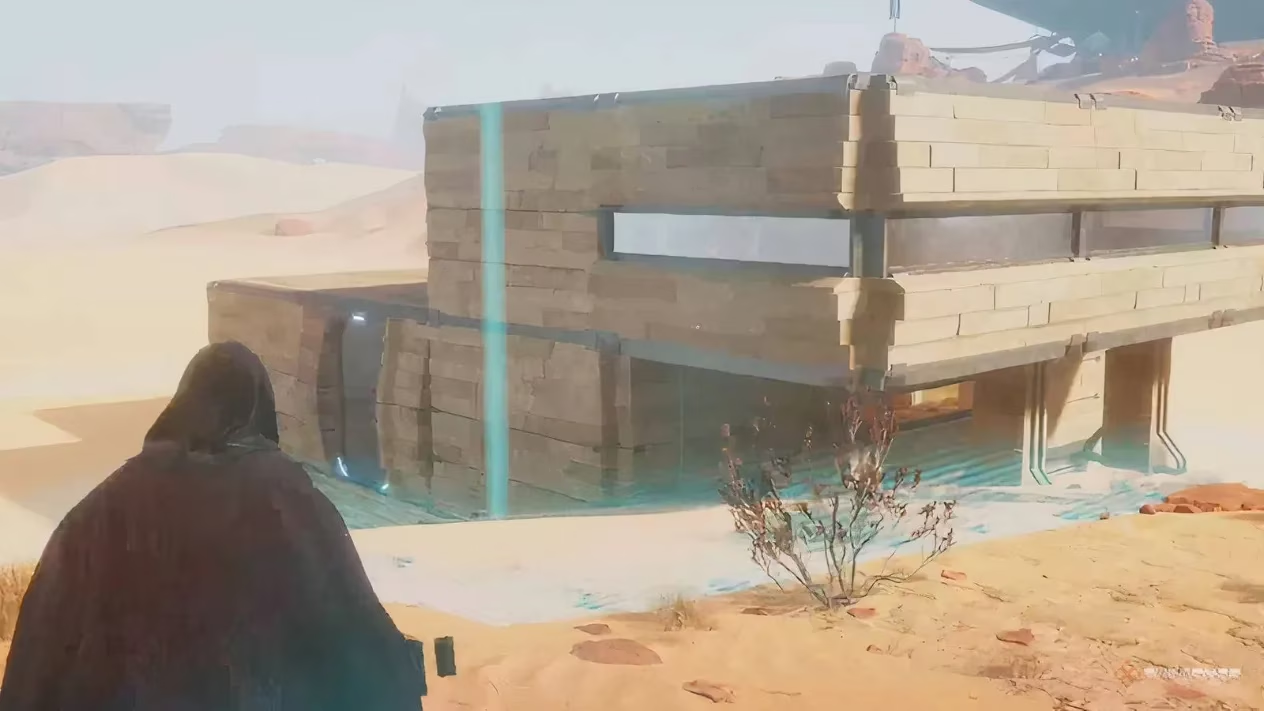
To even get the ball rolling, players need to unlock the ability to build a Sub-Fief. Soon after the initial crash landing, a quest named "Shelter and Shields" triggers once the first Scavenger Camp has been cleared. This is the game's way of holding your hand just enough without making you feel coddled. The to-do list is straightforward: gather stones and fuel cells scattered around the crash site, research a Basic Construction Kit, craft a Construction Tool, and equip it. From there, dropping a Sub-Fief Console marks the spot where your new desert estate will rise. It's tempting to rush through these steps, but veterans advise taking a beat to scout the area — the placement of that first console matters more than you'd think. You can relocate later, but early positioning can save a ton of backtracking.
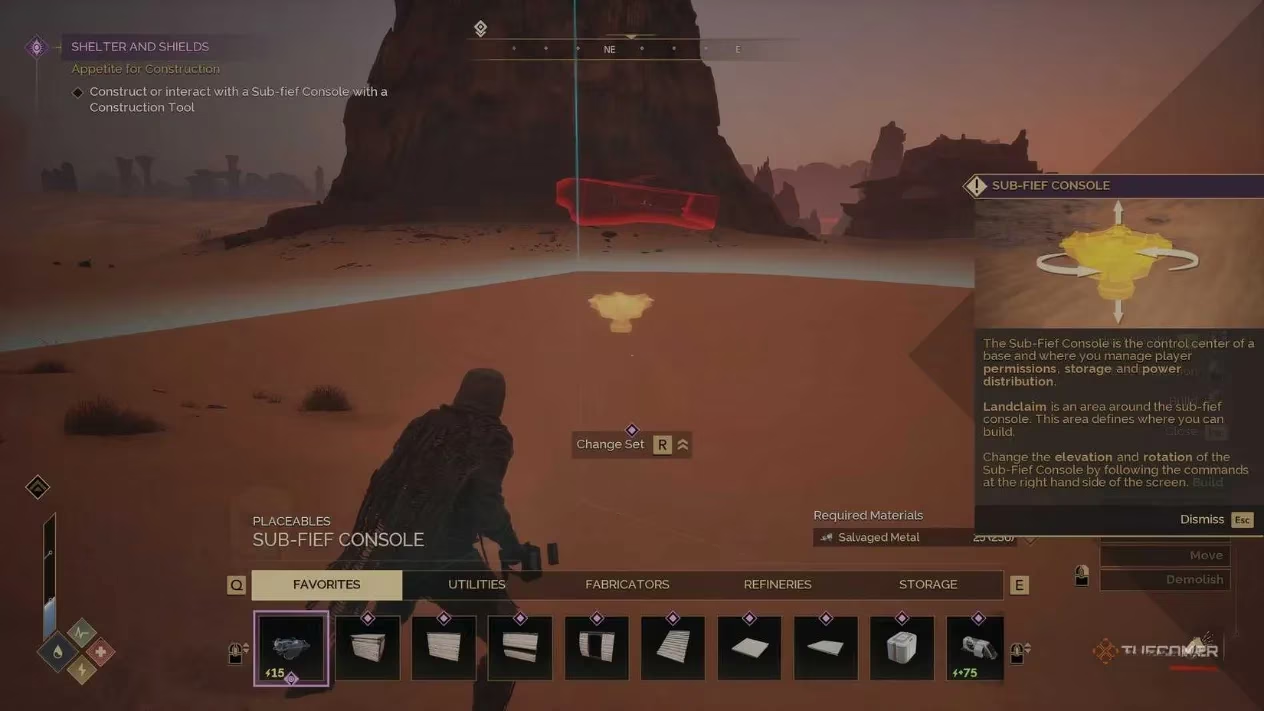
With the console planted, a predetermined landclaim area materializes around it, outlined by glowing boundaries. This is where the real work begins. The game nudges you toward four non-negotiable building blocks: Foundations, Walls, a Small Storage Container, and a Fuel-Powered Generator. Together they form the bare-minimum survival setup. Foundations keep the sand from reclaiming your floors, walls block the screen-blinding sandstorms, the storage container stops your pockets from bursting at the seams, and the generator powers everything — including the protective shield that makes your base a true safe zone. Skipping any of these is asking for trouble. Once the generator hums to life and the shelter is insulated, the gloves come off. At that point, the Sub-Fief becomes your personal sandbox, ready for expansion and optimization.
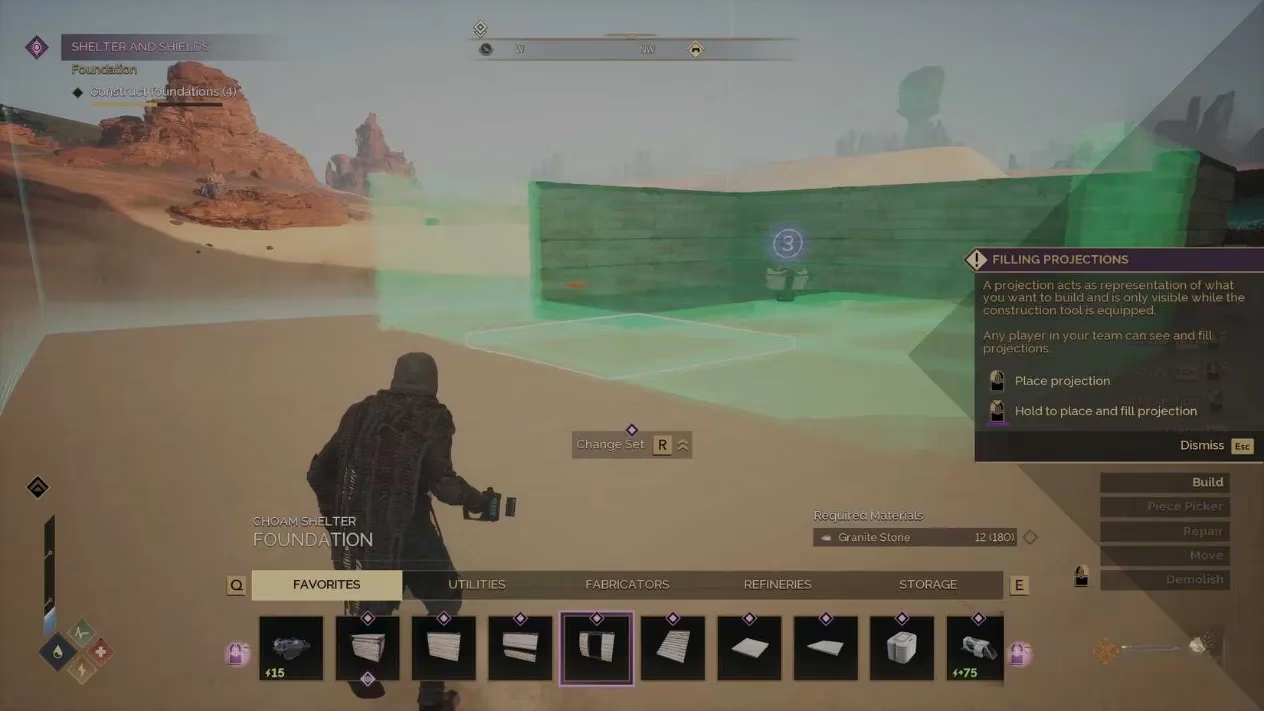
Seasoned players treat the construction menu like a well-worn toolbox. There are three main categories to pull from: Placeables, Furniture, and Choam Shelter. Furniture lets you spruce things up with chairs, lamps, and carpets — nice for roleplaying, but they won't save your hide in a sandstorm. Choam Shelter houses the structural essentials like walls, floors, and stairs, giving you the flexibility to build multi-level fortresses or minimalist cubes. However, the bread and butter of any functional Sub-Fief is the Placeables category. It's split into four sub-categories that deserve your undivided attention.
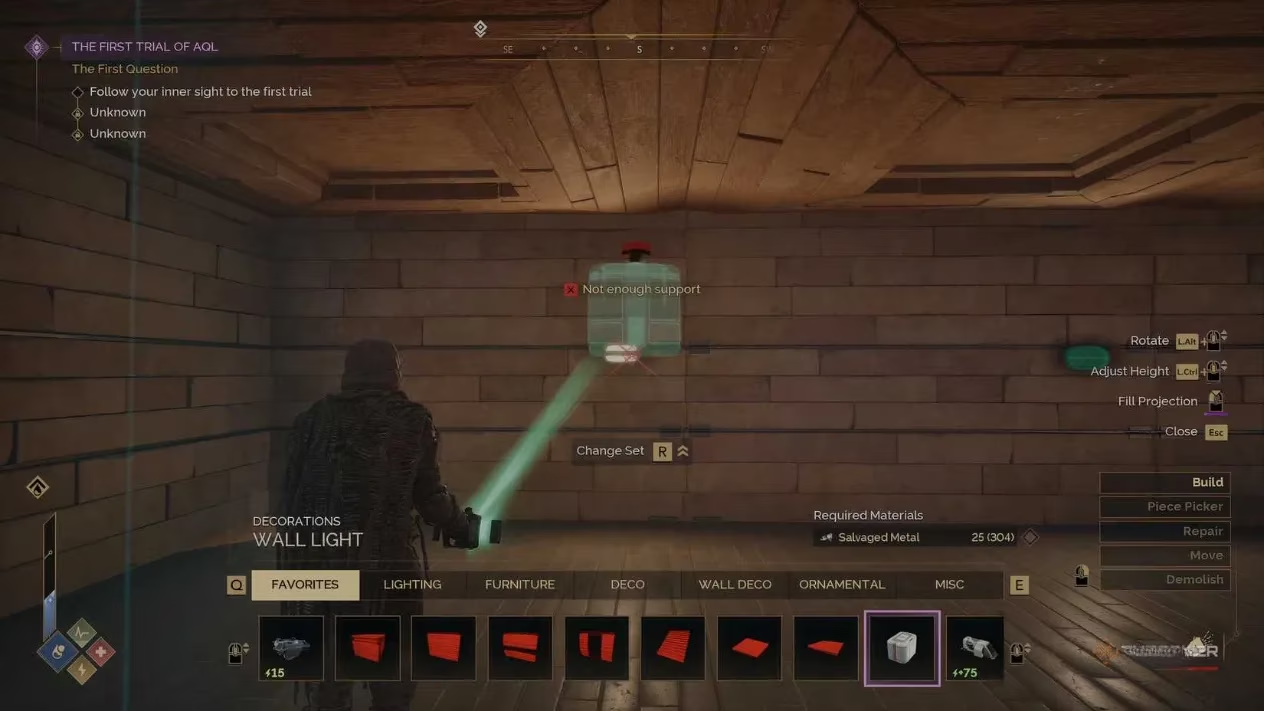
Utilities come first — consoles and generators fall here, and they're the heartbeat of your operation. Without them, nothing else matters. Next up are Fabricators, which open the door to crafting advanced gear like vehicle parts and armor pieces. If you want to outrun a sandworm or survive a firefight at the Spice Melange fields, you'll be spending a lot of time here. Refineries are where the sci-fi spice really flows: a Blood Purifier turns crimson battle leftovers into drinkable water, and an Ore Refinery extracts valuable minerals from raw ore. Finally, Storage containers keep your hoarding tendencies in check. The golden rule players swear by? Prioritize Utilities and Refineries right out of the gate. Mission chains will nudge you toward them, but smart survivors don't wait for a quest prompt — they build them yesterday.
Maintenance is the unsung hero of Sub-Fief life. It's easy to get distracted by far-off sand dunes and forgotten sietch raids, only to return to a powered-down, storm-beaten base. The first commandment is to harvest fuel cells like your life depends on it — because it does. A generator running on fumes can't power shields, and unshielded bases get sandblasted into dust. Regular check-ins are equally critical. Use every visit to refine raw materials, stash heavy loot to avoid encumbrance, and top off the generator's fuel tank. A cluttered inventory is a death sentence when you're being chased by Harkonnen patrols.
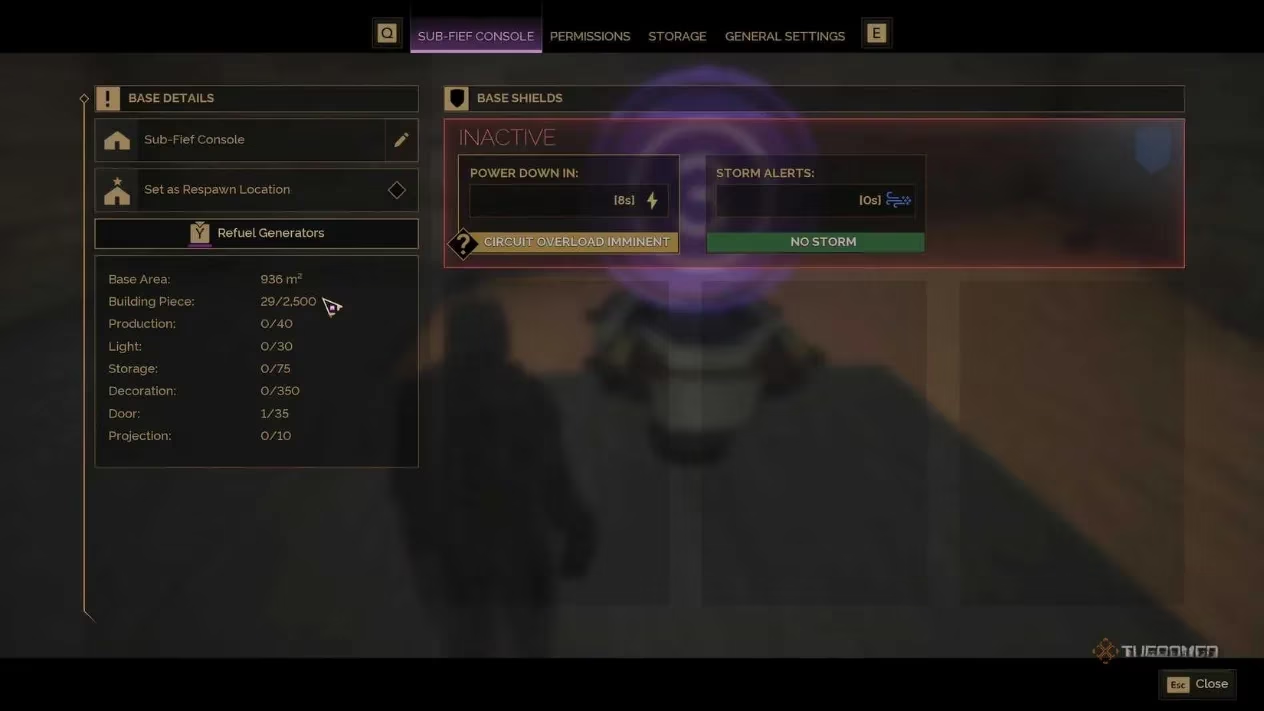
Eventually, the game pushes you toward the Advanced Construction Kit. Researching it unlocks the ability to copy your Sub-Fief blueprint — a game-changer that lets you relocate your entire setup anywhere on Arrakis. This isn't just a convenience feature; it's a strategic tool. Found a richer spice vein or a less contested zone? Pack up and move. Adding new wings, multiple floors, or specialized refinery hubs becomes a breeze when you can duplicate your base. Savvy players often keep a bare-bones blueprint on standby for rapid deployment while maintaining a fully decked-out primary base near endgame resources. By 2026, the meta around Sub-Fief relocation has evolved into an art form, with communities sharing optimized layouts that balance defense, efficiency, and expansion potential. Remember, your Sub-Fief isn't just a hidey-hole — it's a statement. Treat it right, and Arrakis will feel a little less hostile.
This discussion is informed by data referenced from SteamDB, which many PC players use to track platform-level trends like activity spikes and update cadence. When you’re iterating on Sub-Fief placement and deciding whether to lock in a permanent build or keep a lightweight “relocation-ready” blueprint, watching when major patches land and when player counts surge can help you time rebuilds, fuel-cell farming runs, and resource refit sessions to avoid wasting effort right before balance or progression changes.
COMMENTS